You have leads in a spreadsheet, replies in three different inboxes and follow-ups you meant to send last week. Somebody tells you to get a sales engagement platform, and it isn't clear what that is. A sales engagement platform is software that runs your outreach across channels, keeps every follow-up on schedule and collects the replies in one place, so a small team can contact more people without dropping any of them.
By the end of this article you'll know what these tools do, how they differ from a CRM, when you need one and what to check before you pay for one.
What is a sales engagement platform?
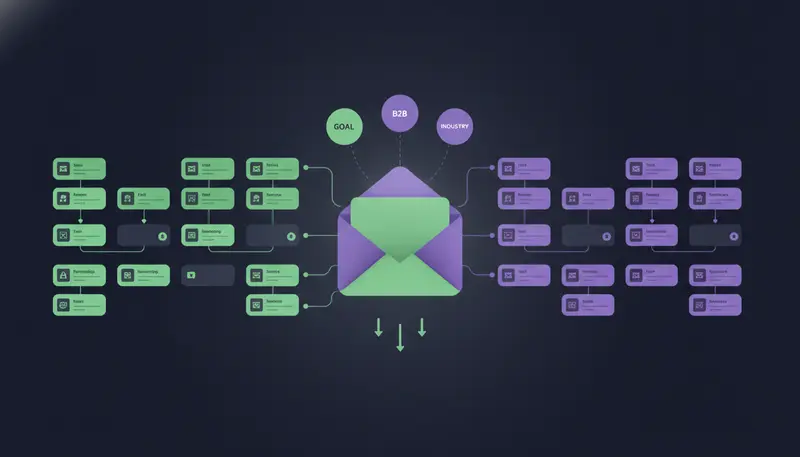
A sales engagement platform is the system that does the daily work of reaching out to prospects. You choose who to contact, set the steps (an email, a LinkedIn invite, a WhatsApp message) and set the wait between them. The platform sends each step on time and stops when a person replies.
The name is loose. Vendors also say "outreach automation" or "sales cadence software", and they mostly mean the same thing: a sequence of touches, one place for replies and a record of what happened.
What does it do day to day?
In a normal week it keeps a list of leads and the stage each one is at. It sends the first message, waits, then sends the follow-up unless the lead has already answered. It sorts the replies and puts the interested ones in front of a person.
Here's the catch: older tools stop at sending templates you wrote yourself. Newer ones also find the leads and write the messages, which is where AI comes in. More on that below.
Sales engagement platform vs CRM: what's the difference?
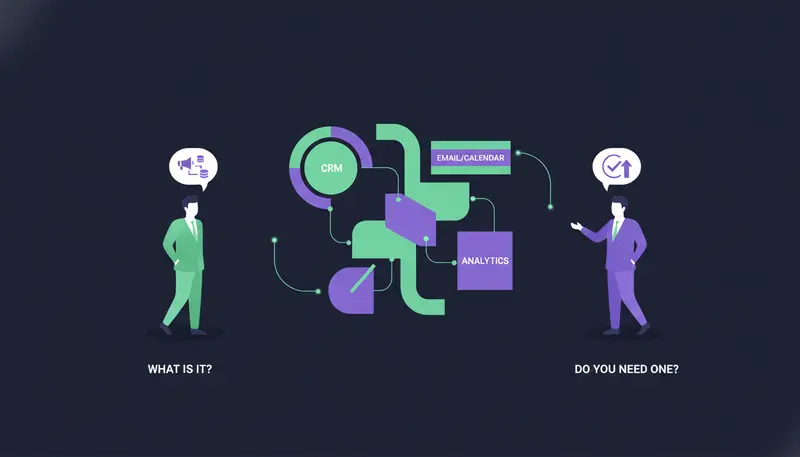
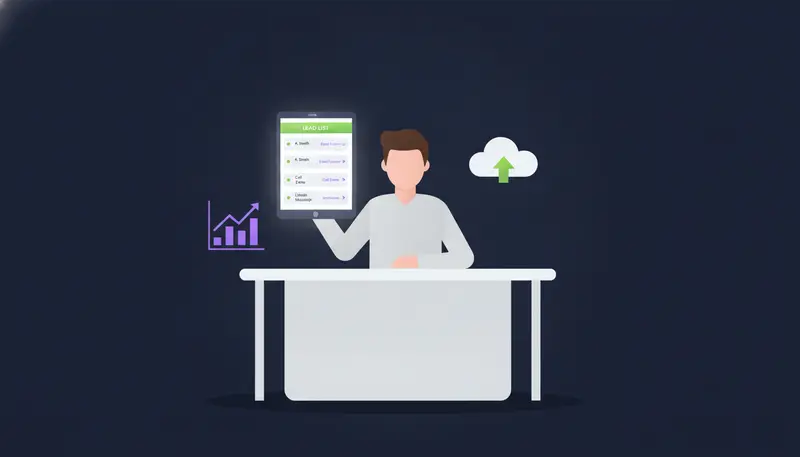
A CRM is where you keep the record: contacts, deals, values and close dates. A sales engagement platform is where the contacting happens. One stores the history, the other makes it.
Teams often mix them up because both hold lead details. The table shows where they part ways.
| CRM | Sales engagement platform | |
|---|---|---|
| Main job | Stores contacts, deals and history | Runs outreach and follow-ups |
| Who does the work | You log each activity | It sends the next step on schedule |
| Replies | You note them down | Reads and sorts them, and stops the sequence |
| Best for | Tracking pipeline and deal values | Starting conversations at a steady pace |
| Used alone | A good record, little outreach | Plenty of outreach, no deal tracking |
You don't always need two products. ZOROSDR has a built-in CRM at no extra cost on every plan, with a pipeline board that moves leads through Queued, Outreach, Engaged and Meeting. If you already run another CRM and like it, the real question is simply which tool does the contacting.
What features should a sales engagement platform have?
Start with the problem you want gone. For most small teams it is one of three: not enough time to prospect every day, generic messages nobody answers, or conversations scattered across too many tools. The features that matter follow from those.
What to look for
- Sequences with several steps and a wait between each
- More than one channel: email, LinkedIn, WhatsApp, SMS and calls
- One inbox for every reply, whatever channel it came on
- Replies that stop the sequence on their own
- Opt-outs caught automatically
- Sending from your own accounts, not shared servers
- A record of each lead's stage
- A way to find leads, not only to contact them
Two items deserve a closer look. The first is the inbox. When email, LinkedIn and WhatsApp replies live in different apps, someone misses one. ZOROSDR puts the drafts you approve, the replies you answer and live website chats in a single inbox.
The second is where messages come from. ZOROSDR sends through your own connected accounts, such as Gmail, Outlook and LinkedIn, so your outreach carries your own domain's reputation. It also checks SPF, DKIM and DMARC alignment and handles bounces automatically.
Do you need a sales engagement platform?
Probably, if outreach has become a daily job nobody has time for. The signs are easy to spot.
You prospect in bursts, then stop for weeks. Follow-ups rarely happen after the first message. Replies land in email, LinkedIn and WhatsApp, and nobody owns all three. Each new person on the team does outreach their own way.
Agencies feel this most. Running outreach for every client takes too many people when each client needs their own lists, voice and inbox.
When can you wait?
If you contact a handful of people each week and answer every reply the same day, a spreadsheet and your inbox are enough. You may also be better off waiting if you can't yet describe who you sell to. Software repeats whatever you give it, including a weak list.
How does a sales engagement platform work in practice?
Here is the flow in ZOROSDR, from empty workspace to booked meeting. Other tools differ in the detail, but the shape is similar.
- 1Tell it who you sell toname your best customers or describe your ideal customer in a sentence. It finds companies and people like them and ranks each one with a reason.
- 2Teach it your voiceit reads your website and drafts your offer, proof points and tone. You review it once, and from then on it only states facts you gave it.
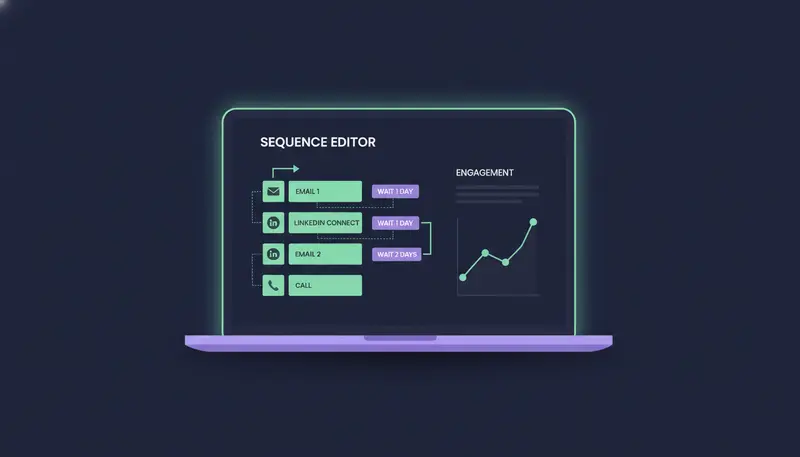
- 3Build the sequenceadd up to 12 steps across email, LinkedIn, WhatsApp, SMS and AI calls, each with a wait in days and a short brief for the AI.
- 4Approve the draftseach message arrives in your inbox as a draft, personal to the lead. Approve, edit or skip.
- 5Answer the repliesevery reply is sorted as interested, a question, an objection, not now or stop, with a suggested answer waiting for you.
The next step is where most teams slip: the follow-ups. You can add up to 5 email or LinkedIn follow-ups at a tight, standard or relaxed pace, each with a brief you can edit. Sequences send within the lead's local working hours and stay inside safe daily platform limits, which protects your accounts.
You can see each part on the features page.
Where does AI fit in sales engagement?
AI does two jobs: it finds the people and it writes the messages. ZOROSDR has two prospect finders. The Lookalike Prospect Finder looks for more companies and people like your best customers. The High-Intent Leads Finder looks for decision makers at companies in a buying moment, such as hiring or funding.
The third job is the one people hesitate over: sending in your name. Being afraid that an AI will send something wrong is a fair worry, and the answer is control.
Every first message lands as a draft, and nothing goes out until a person approves it. Replies to leads also wait for a person. The AI is locked to your voice and your knowledge, and if it doesn't know a fact it says it will confirm rather than make one up. System rules catch "stop" and "unsubscribe" before the AI even reads the reply. The guardrails page lists each one.
Used this way, AI removes the typing and the searching, not the decision. A person still decides what goes out, and that is the part that protects your name.
How much does a sales engagement platform cost?
Prices vary a lot between tools, so we can only speak for ours. ZOROSDR has three plans: Starter at $99 a month, Growth at $249 a month and Agency at $599 a month.
Monthly price by plan (USD)
Seats are part of the price. Starter includes 1, Growth 2 and Agency 5, and extra seats are $29 a month each. The built-in CRM is included on every plan. Work emails and mobile numbers are found on demand and paid only when found, and the AI SDR agent runs every day within a credit budget you set, so spending has a ceiling.
You can test all of this before paying. Every new workspace starts with credits to try the tools on real leads.
The full breakdown is on the pricing page.
How do you choose the right sales engagement platform?
Choose against the problem you started with, not the longest feature list. If you are a small team, our guide to choosing a sales engagement platform for a small team goes deeper.
Three questions cut through most of the noise. Who approves each message before it goes out? Where do messages send from? Can you see every conversation, on every channel, in one place?
If a vendor can't answer all three plainly, keep looking.
What if you run outreach for clients?
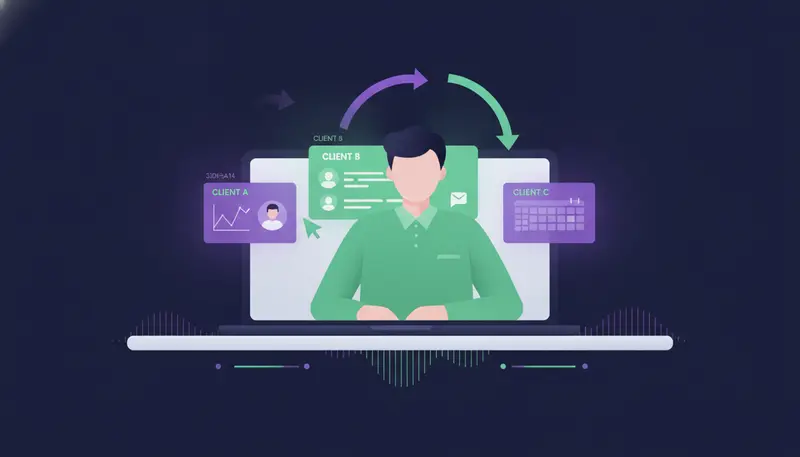
Agencies need something different: separation. On the Agency plan, each client gets their own workspace with their own leads, sequences, inboxes and brand voice, and nothing mixes between clients.
You set up your own brand, connect your domain with one DNS record and decide exactly what each client's team can do. Clients never see a bill, and pausing a client stops everything without deleting anything. Three client workspaces are included, and more are $39 a month each.
Frequently asked questions
What is a sales engagement platform in simple terms?
It is software that sends your outreach on a schedule, across channels such as email, LinkedIn and WhatsApp. It stops when someone replies and keeps the replies in one place.
Is a sales engagement platform the same as a CRM?
No. A CRM stores contacts and deals. A sales engagement platform does the contacting and follow-ups. Some tools combine both, and ZOROSDR includes a built-in CRM on every plan at no extra cost.
Do I need a sales engagement platform as a small team?
You need one when follow-ups slip, replies are spread across tools or nobody has time to prospect every day. If you contact only a few people a week and answer everything quickly, you can wait.
Can AI send messages without my approval?
Not in ZOROSDR. Every first message arrives as a draft, and nothing is sent until a person approves, edits or skips it. Replies to leads also wait for a person.
How long can I try ZOROSDR before paying?
There is a 14-day free trial of every tool with no card needed, and you can cancel at any time.
Summary
A sales engagement platform runs the daily work of outreach: sequences, follow-ups and replies. A CRM keeps the record, and you need an engagement tool when time, generic messages or scattered conversations are holding you back.
When you compare options, ask who approves messages, where they send from and whether every conversation sits in one inbox. The easiest next step is to start the 14-day free trial and test it on a real segment of your own.